
RUTHI HELBITZ COHEN
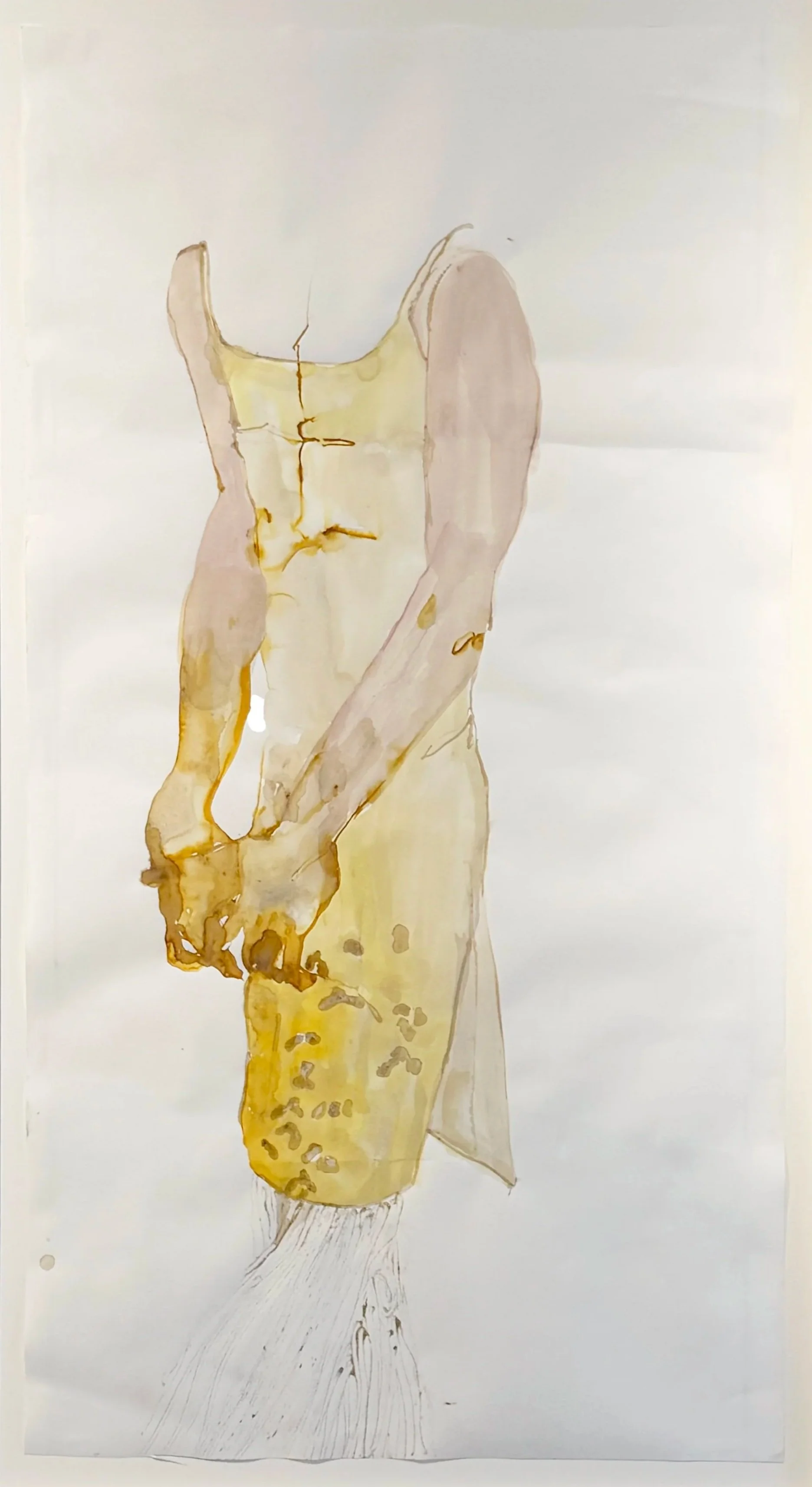
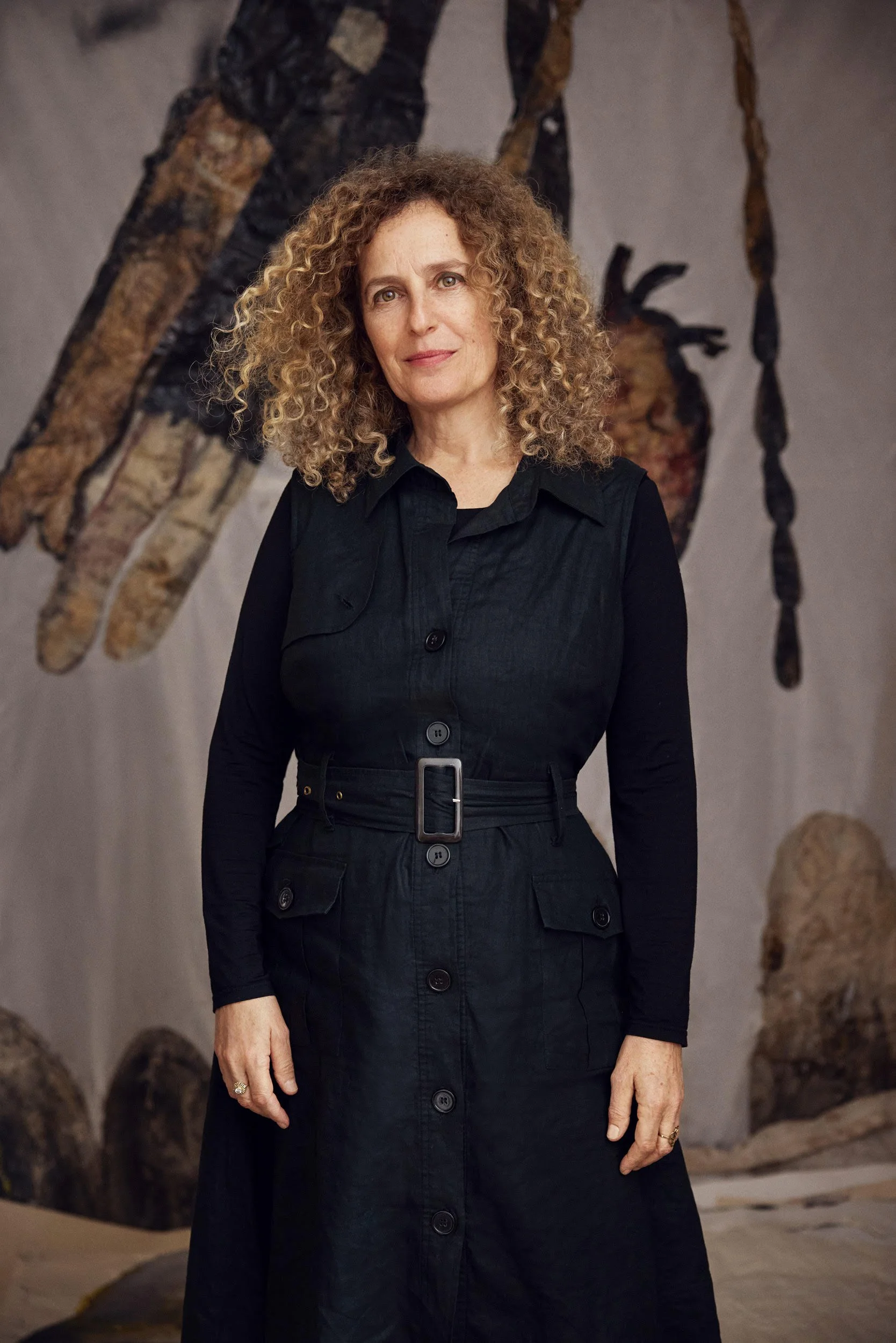
Photo: Allison Michael Orenstein
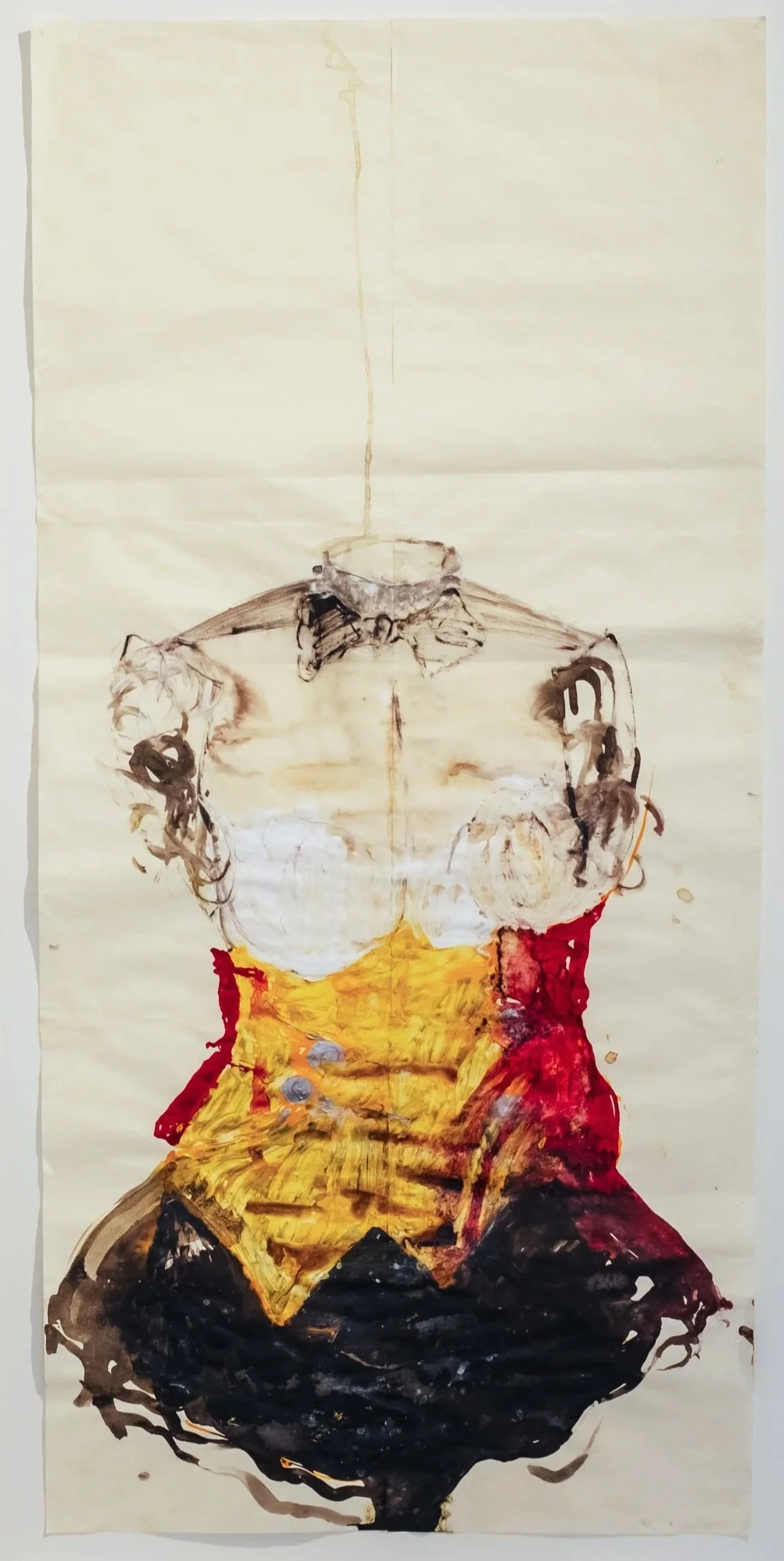
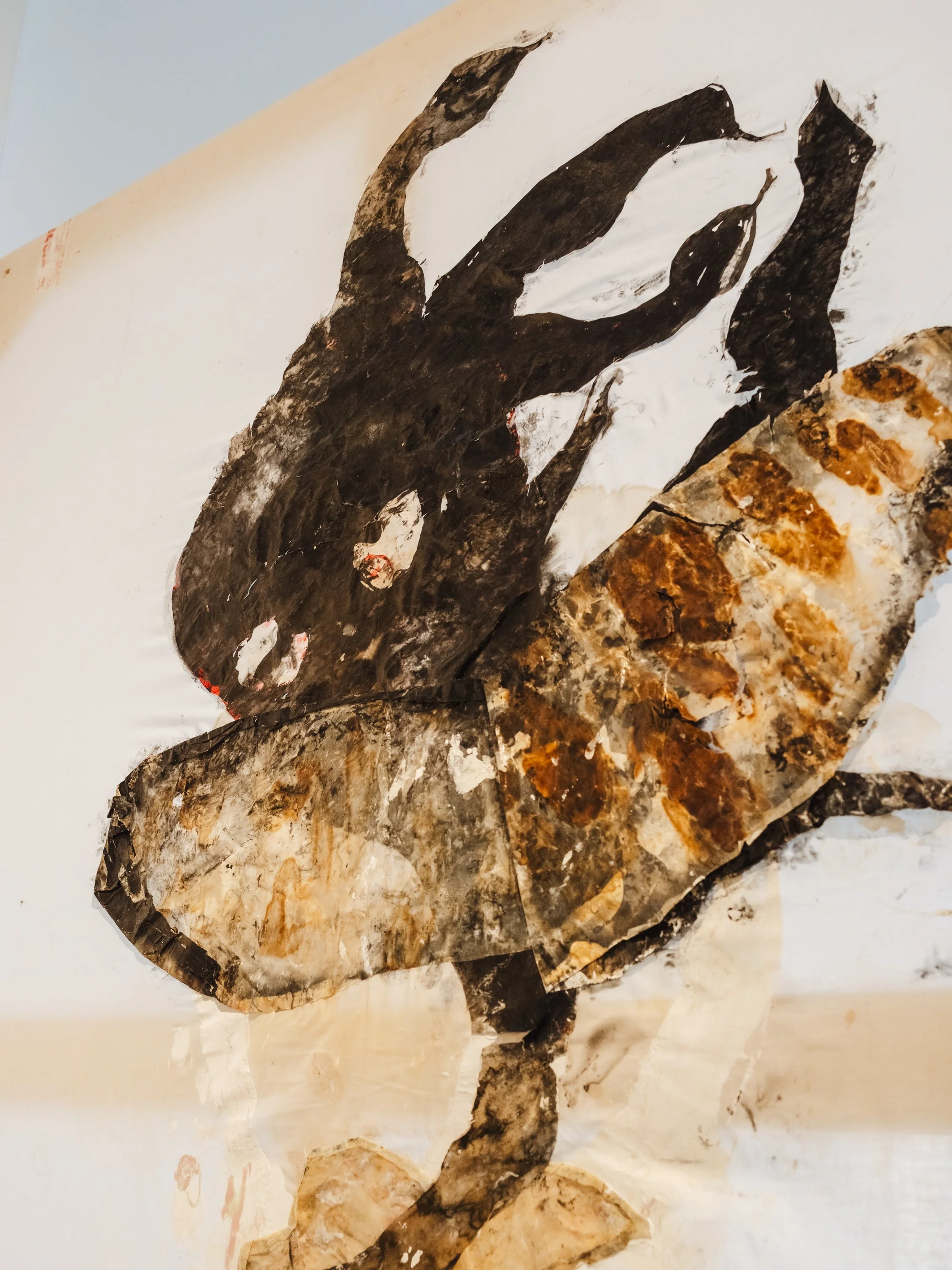
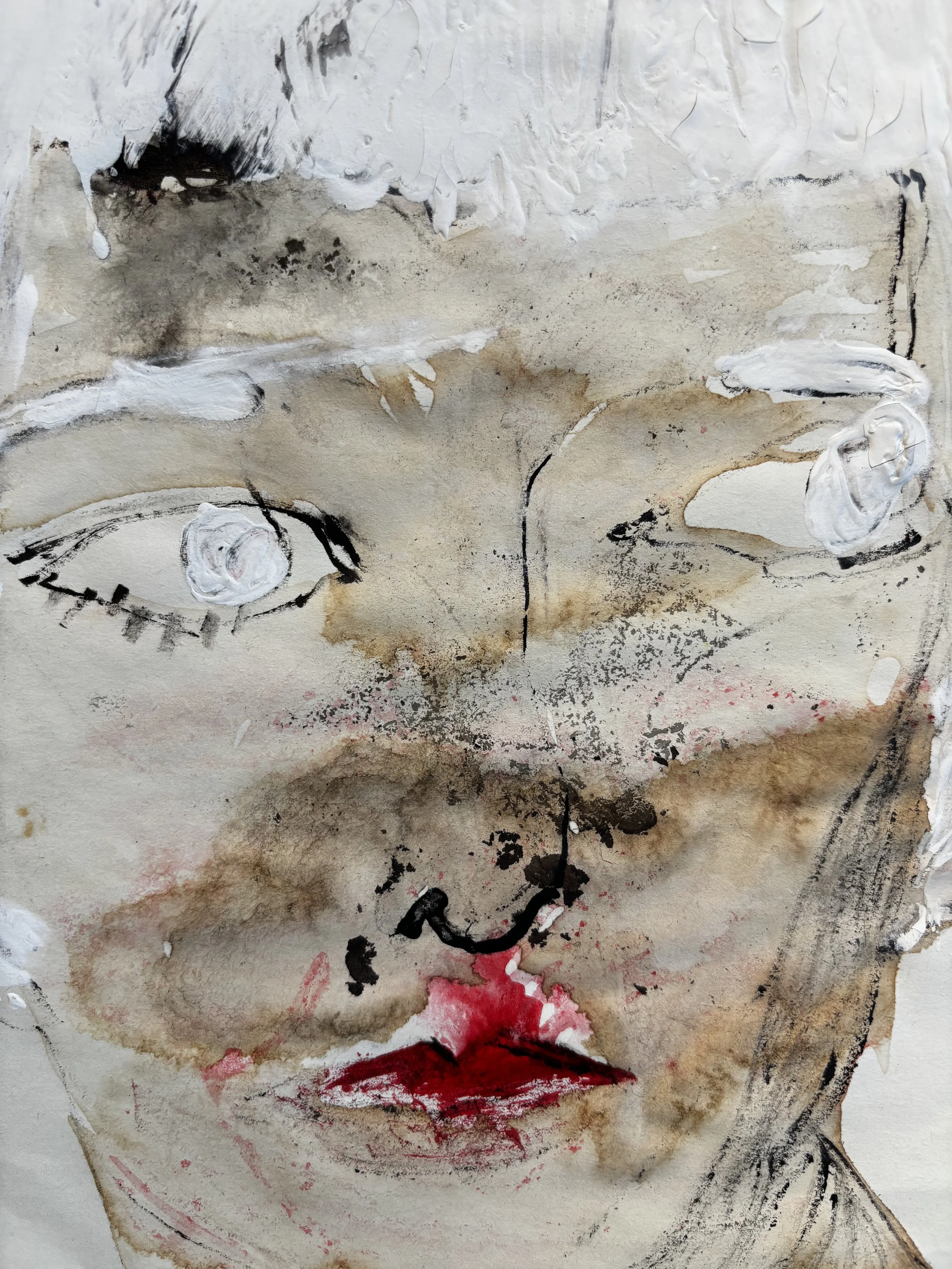
The female body is key to the work of Ruthi Helbitz Cohen. It “performs” on the canvas in different shapes and guises: dressed or undressed, in the role of a clown, witch, child, or femme fatale; as a mythological goddess or historical figure; hanging from the ceiling, floating, lying down; fragmented in space, alone or in the company of other complementary figures. The artist takes the body apart and reassembles it, like a mechanic might do with a car or an engine, or a scientist when dissecting and studying the body of an animal. It is as if she is searching for the inner essence of these women by pulling their bodies apart, by painting heads, limbs or organs separately and then putting them back together like a mismatched puzzle, in which the individual pieces don’t quite fit. A sense of uneasiness arises at the sight of a skull-like head on top of a semi-transparent torso, of a body dissolving into a dark cloak, or of arms taking the place of legs, reaching up towards the torso.
Eros and Thanatos, love and death unite within a single, inseparable figure. Helbitz Cohen says that: “I want to make a small but significant change in viewers’ observations and understandings. Get them interested, get close and turn their head around. I want to make them doubt what they hold as true, real, acceptable. I want my paintings to be inoperable, I want the spectator to object. I would like the painting to generate an unpleasant but at the same time desirable thought process that will make the viewers want to possess this distortion.”
To behold Helbitz Cohen’s work is to behold a world rich in contradictions, strong and subtle emotions, and intricate thoughts seen through a distorting mirror. Beyond the horror, disgust and pain lies a world of delicate beauty.
In addition to the numerous museum exhibits in Israel, she was invited to show her work in Germany, Netherlands, France, Denmark, Greece, China, and the USA. Alongside the artistic work in her studio, Ruthi teaches art in both the Beit Berl Arts College and the Oranim College, Program of Multidisciplinary Studies in Humanities and the Arts (M.Ed.).
— Beatrice von Bormann
ARTIST TALK:
Thursday, June 4, 6:30 pm
53 Bridge St., 706 (7th fl.)
Brooklyn, NY 11201
OPENING RECEPTION:
Thursday, May 7, 6 - 8pm

Heavy Paper
May 7 — June 24, 2026
EXHIBITIONS
Ruthi Helbitz Cohen
Ruthi Helbitz Cohen, Empty Coat with Hands, 2026. Ink, gouache and coffee; 74 × 34 in.
AMR Art Dumbo presents a solo exhibition of drawings, paintings, collages, and video by Israeli artist Ruthi Helbitz Cohen, the artist’s first with the gallery.
The work in this exhibition is bound by the act of drawing as an element that undergirds Helbitz Cohen’s practice. Here, drawing is active–the artist draws to render, to mark, to map, to capture (a moment), and to draw out. It is additive and transparent, taking shape as loosely fragmented female forms on paper, fabric, and on the pages of the old testament, outlining a mythology equal parts personal and cultural, and rife with stains. Her work centers the images and roles of women as unruly, leaky ideas, bursting outward from their symbolic containments. Imbued with generational, personal, and ongoing trauma, the marks of repair are visible as additional marks of creation. In some works, pieces of paper stitch together to extend their ground, and others employ barrier tape bearing her family name.
Her visual language reimagines darkness and light, following its own intuitive logic that filters through images, materials, myths, and interiorities. Within this logic, black is the opposite of gold, and infinity is the opposite of broken promises. For what is an opposite, the artist asks, than different edges of the same thing? At its core, Helbitz Cohen’s work is about a human condition–that of being female, and thus being fragmented and dispersed.
EXHIBITION TEXT BY
RACHEL VERA STEINBERG
Rachel Vera Steinberg is a curator based in New York City. Her work explores cultural mythologies, science fiction, as well as the role of technological shifts in societal meaning making. Currently, she is the Curator & Director of Exhibitions at Smack Mellon in Brooklyn, NY and teaches at the Rhode Island School of Design in Providence, RI.
IN PARTNERSHIP WITH
