
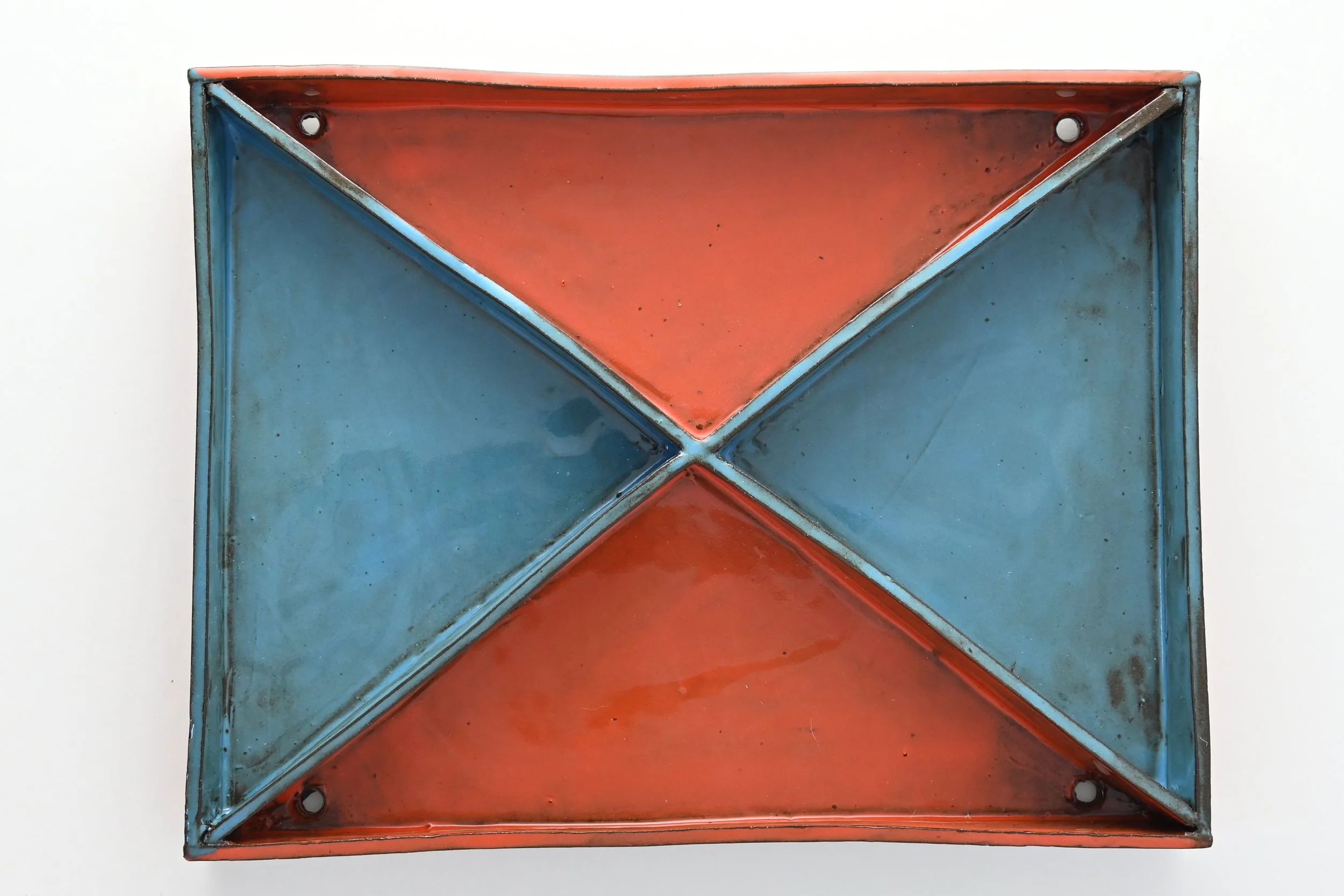
VICTORIA MUNRO
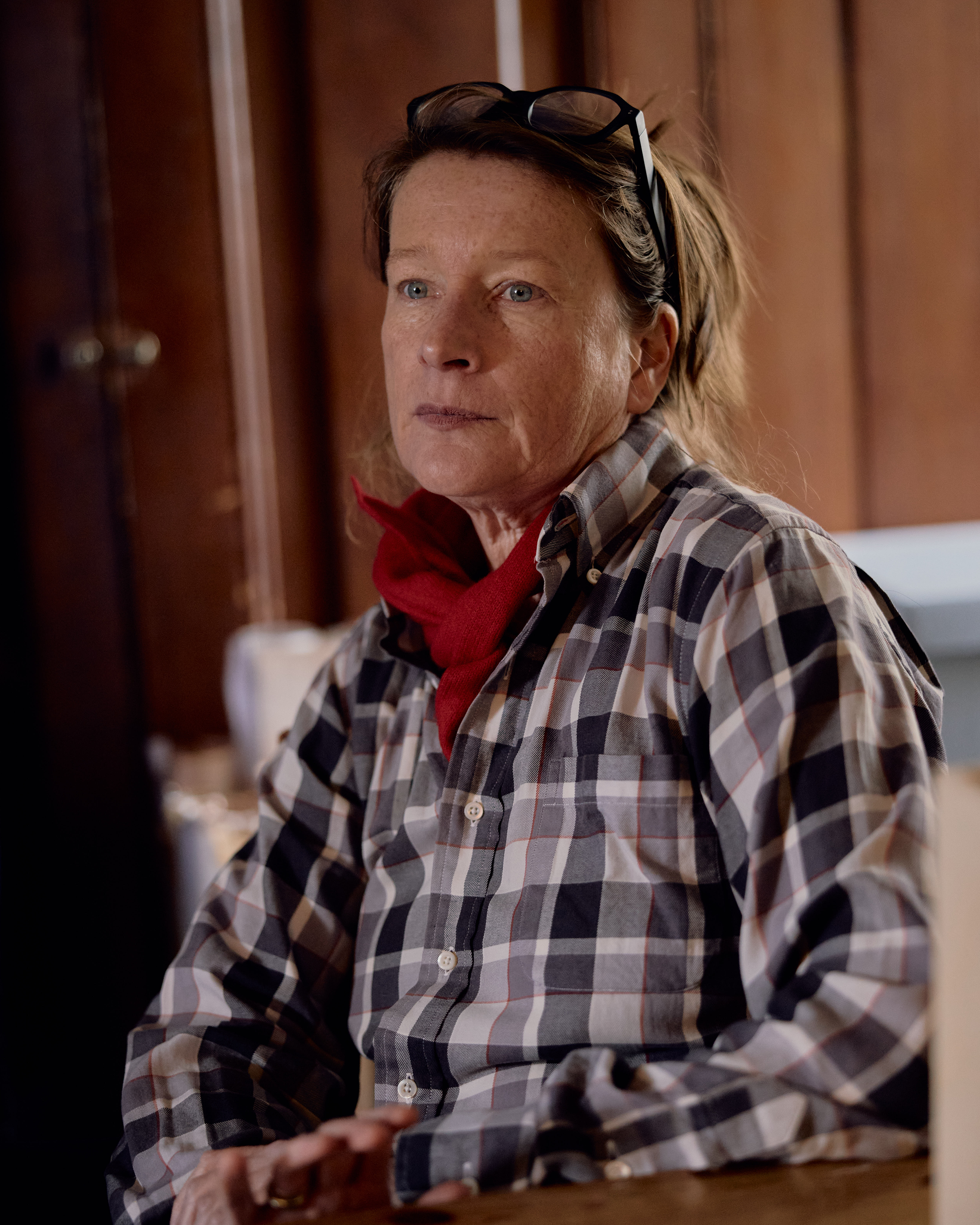
Based in New York, Victoria Munro (b. 1975, Wellington, New Zealand) is an artist, educator, writer, and curator whose multifaceted practice bridges sculpture, public art, and cultural leadership. Her practice is grounded in queer minimalism and material sensitivity, shaped by her long-standing affiliations with national and international reductive art groups such as Minus Space and PS Projects.
Previous solo exhibitions include presentations at SIArts in New York, PS Projects in Amsterdam, Room Gallery and Melanie Roger Gallery in New Zealand. She has participated in group exhibitions internationally, including Bridgehampton Museum (NY), PS Projects in Amsterdam, and Minus Space in New York. In 2011 she created a large-scale public artwork installed for three years at the Staten Island Ferry Terminal, using geometry and color to explore the visual language of the international shipping industry and the industrial waterfront. Munro’s work is represented in the collection of the Bridgehampton Museum of Art, alongside numerous private collections.
Munro is also the Executive Director and Curator of the Alice Austen House Museum, an institution rooted in queer history, where she stewards a site of LGBTQ+ visibility and storytelling. As founder of the Queer Ecologies Garden Project at Alice Austen Park, Munro fuses environmental activism with queer theory, cultivating a living, evolving space that reimagines relationships between identity, land, and community. Her work, across sculpture, curation, and ecological practice, champions queer presence in both natural and institutional spaces.
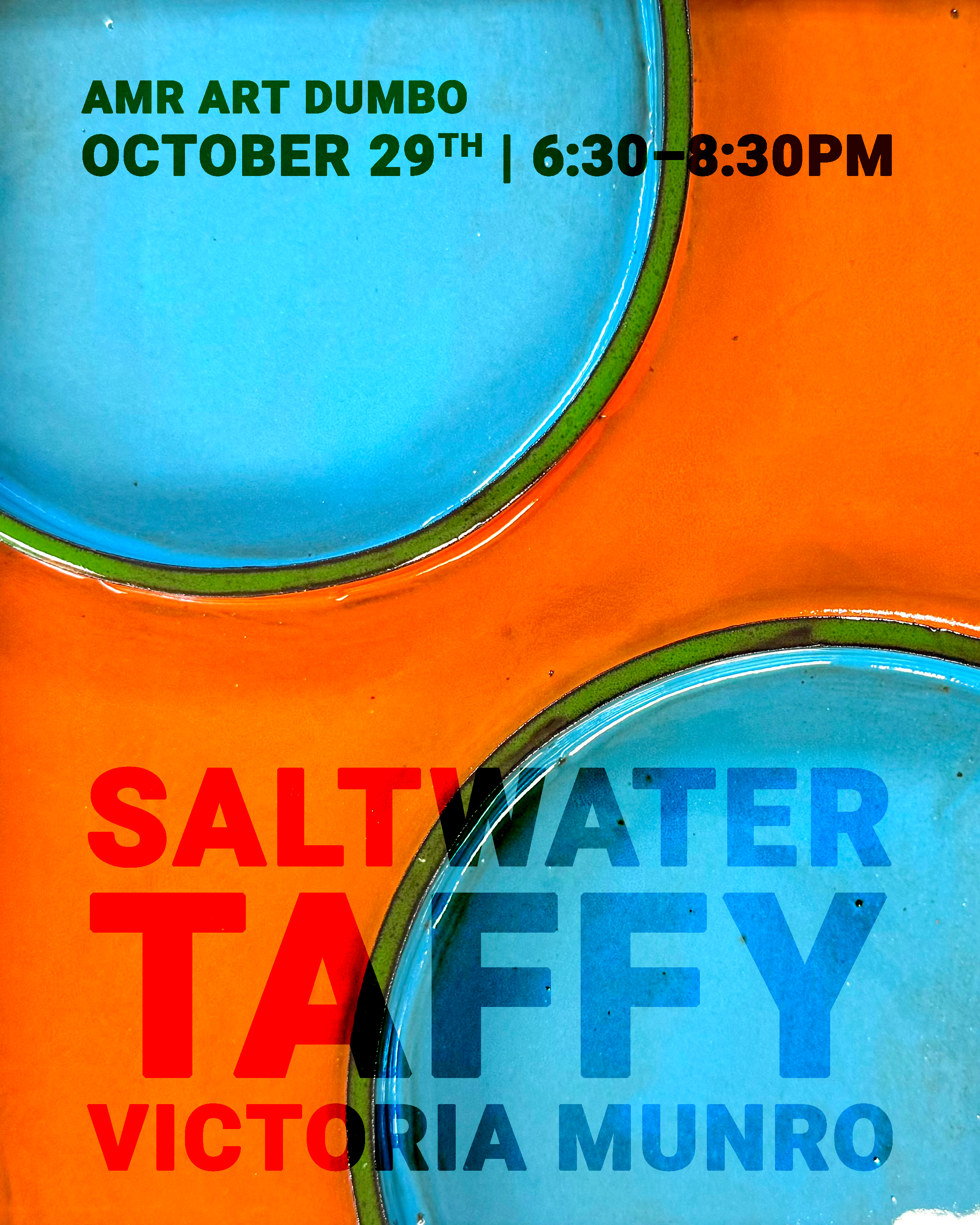
“I am drawn to artists and visual languages that complicate traditional distinctions, particularly those whose work finds ways to encode alternative forms of identity, desire, domesticity, and social organization within abstraction. Rather than attempting to recover a singular queer aesthetic, I consider queerness as a method; a willingness to destabilize what appears fixed and to imagine other relationships between form, space, and the body.
“Ceramics and fiber allow me to physically enact this tension. Clay carries the weight and permanence of architectural form while retaining the vulnerability of touch, fracture, and transformation. Fiber introduces softness, repetition, flexibility, and associations with the domestic and the handmade. Together, these materials complicate the authority traditionally associated with geometric abstraction. The works may appear precise and controlled from a distance, but closer examination reveals seams, joins, irregular surfaces, woven structures, and subtle imperfections.
“The wall is an important participant in this work. Rather than functioning simply as a support, it becomes an active field within the composition, a space where forms hover, intersect, protrude, cast shadows, and create relationships with one another. I am interested in the moment when a work shifts from image to object, and when an object begins to behave like an environment.”
— Victoria Munro